
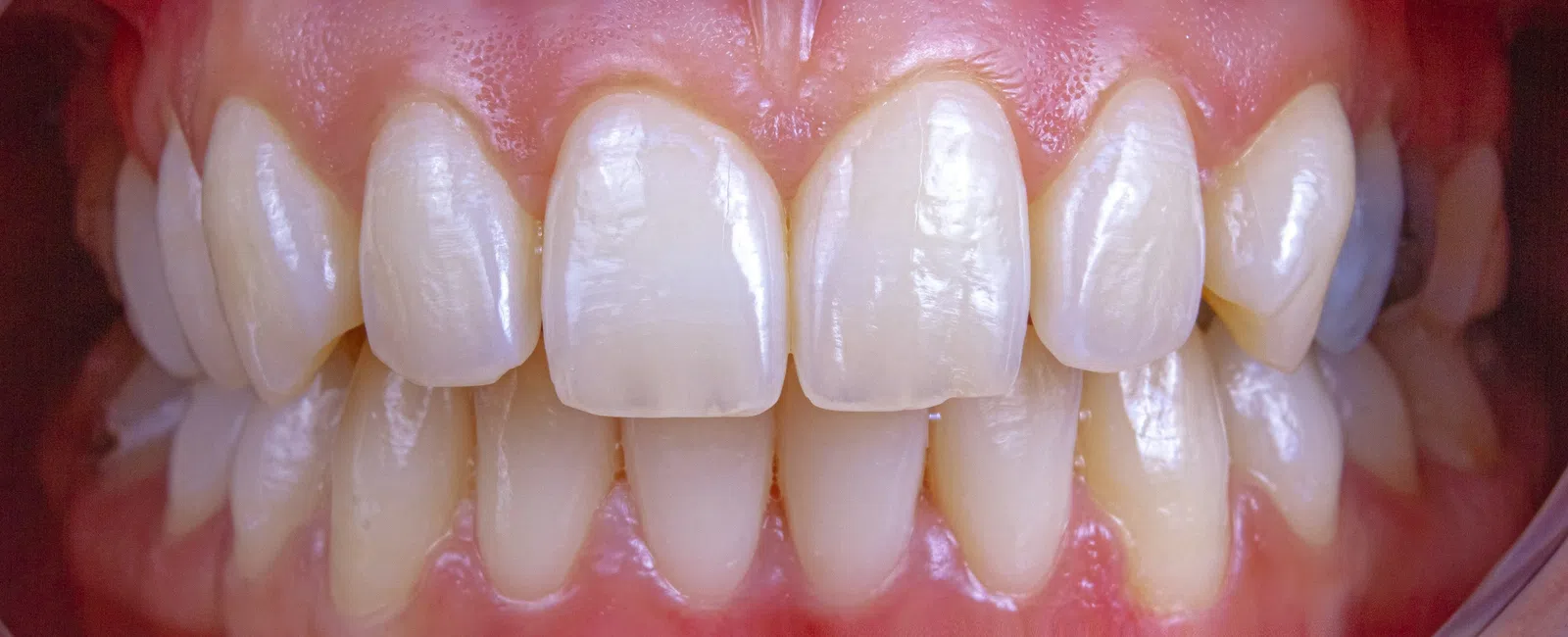
How can I prevent gum disease?
You can prevent gum disease by keeping plaque off your teeth and gums every day. The best habits are brushing twice a day, cleaning between your teeth, and seeing a dentist regularly. Gum disease starts when plaque builds up and irritates the gums, so daily care matters most.
Gum disease, also called periodontal disease, can begin with red or swollen gums. If you catch it early, you can often stop it before it gets worse.
What should I do every day to protect my gums?
Daily home care is the main way to protect your gums. A simple routine can lower your risk a lot.
- Brush your teeth twice a day with fluoride toothpaste.
- Brush gently along the gumline for two minutes.
- Clean between your teeth once a day with floss or interdental brushes.
- Rinse with water after meals if you cannot brush right away.
Use a soft toothbrush so you do not hurt your gums. If your gums bleed a little at first, keep cleaning gently unless your dentist tells you otherwise.
What habits make gum disease more likely?
Some habits raise your risk of gum disease, even if you brush sometimes. Knowing these risks can help you make better choices.
- Smoking or using tobacco
- Skipping brushing or flossing
- Eating lots of sugary snacks and drinks
- Dry mouth
- Not seeing a dentist for regular cleanings
Health problems like diabetes can also make gum disease more likely. If you have a medical condition, keeping it under control can help your gums too.
How often should I see a dentist?
Most people should see a dentist every 6 months for a checkup and cleaning. Some people with higher risk may need visits more often. Regular dental visits help remove tartar, also called hardened plaque, that you cannot clean off at home.
Your dentist can also spot early signs of gingivitis, the first stage of gum disease. Early treatment is much easier than treating advanced disease.
FAQ
Can gum disease be reversed?
Early gum disease, called gingivitis, can often be reversed with good brushing, flossing, and a professional cleaning. If it has moved into deeper gum disease, you may still improve it, but you may need more dental treatment. The sooner you act, the better your chances.
Is flossing really necessary?
Yes. Flossing or using interdental brushes cleans between teeth where a toothbrush cannot reach. That area is a common place for plaque to build up. If floss is hard to use, ask your dentist about tools that may work better for you.
Do electric toothbrushes help?
Electric toothbrushes can help some people brush more thoroughly and for the right amount of time. They are not required, but they can be a good choice if you have trouble brushing well by hand. The most important thing is brushing carefully and consistently.
What are early warning signs of gum disease?
Early signs include red, swollen, or tender gums, bleeding when brushing or flossing, and bad breath that does not go away. If you notice these signs, schedule a dental visit soon. Early care can prevent more serious damage.